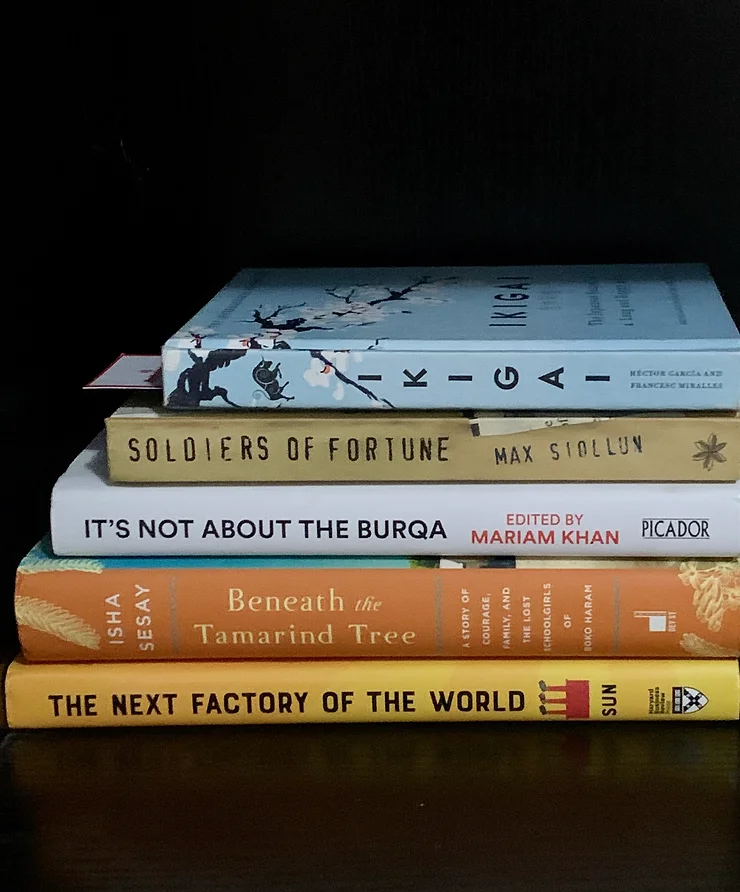
Any readers in the house? Here’s a list of some of the books I read during the lockdown between April and May
Soldiers of Fortune: Nigerian Politics from Buhari to Babaginda: It’s quite unfortunate that History has been scrapped out of the Nigerian curriculum. Although those of us who were fortunate to have been taught that subject can attest to the fact that it barely covered the true history of Nigeria. As a result there are many children who do not have a good knowledge of Nigeria’s story and probably never will if their environment doesn’t expose them to it. I learnt so much reading this book. What was most heartbreaking for me was seeing the same names and reading about the same problems still at play in 2020. This is a must read and if you can, get the other two books too: Oil, Politics and Violence and Soldiers of Fortune: A History of Nigeria (1983-1993). My fave excerpt
Many Nigerians believe that Babaginda “institutionalized corruption”, yet few admit their own complicity in creating the situation where corruption became the norm. The citizenry are simultaneously victims, accomplices and active participants in their own corrupt downfall. Corruption in Nigeria is not just an offshoot of collapsed social and governmental institutions, nor is it the result of a hostile economic environment. The roots go much deeper and are symptomatic of a residual breakdown of Nigerian societal values and morality. It is the result of a nationwide refusal to condemn dishonesty”
Mic drop!
It’s Not About the Burqa: This is a compilation of essays from young Muslim women and their experiences in the modern world. Often torn between their religion, culture and found in the trap of immigrant status, these women speak their truths and opinions on why their identity is not limited to wearing a hijab/burqa. These conversations are necessary and it’s about time the world hears them. My copy is covered in so many highlights and notes. I definitely recommend to mostly my muslim friends because I believe in some of these essays are the words some of them have not a found a way to say. My fave quote
“Times have changed and our women have changed with them, but our men have yet to catch up’
Ikigai: Ikigai was a light read in the middle of the heavy contents I was reading. Did you know that Okinawa, Japan boasts of the highest number of super-centenarians? Yes, people living beyond 100 years and in good health too! Ikigai is simply a reason to jump out of bed each morning; a raison d’etre. This book shows the secret that many of them believe is the reason for their longevity and positive mindset. 10/10 recommend if you’re trying to get the best out of your life. A reminder I leave with you.
“The present is all that exists and it is the only thing we can control. Instead of worrying about the past or the future, we should appreciate things just as they are in the moment, in the now.”
The Next Factory of the World: How Chinese Investment is Reshaping Africa: As soon as I saw the title of this book I knew I wanted to read it. Personally, I find this book to be biased with Irene painting chinese companies as white saviours who are investing in African resources and creating jobs to spur development in the region. As far as I’m concerned, that’s just capitalism at work and if jobs are created that’s fine but I will not for one second think that chinese companies are flocking to Africa for the main purpose of African development.
This is why Africa’s best chances for development lie neither with Western development programs nor with airbrushed Chinese government efforts. Instead, its future is bound up with gruff, unpretty Chinese factory bosses.
Wrong. Africa’s best chances for development lies within her, if only we would get our acts right!
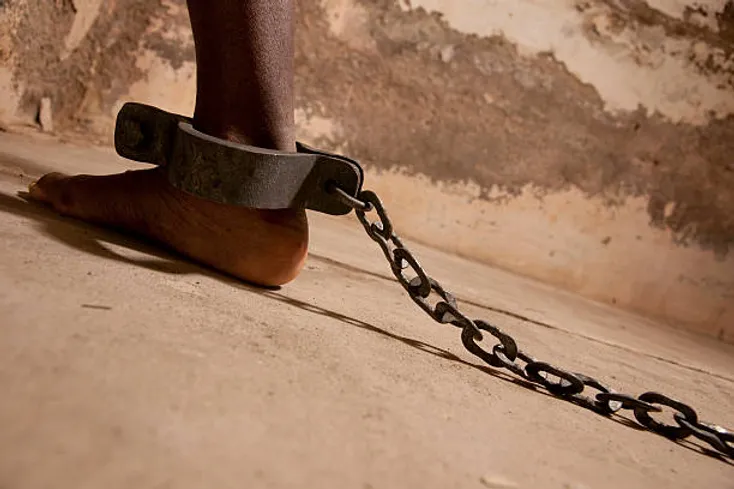
Beneath the Tamarind Tree: This was a heartbreaking read that followed the stories of four of the captive Chibok girls. Although I often found myself confused at whether it was the Chibok girls’ stories or Isha’s autobiography. I understand she wanted to form a link to the girls but her story could have been done without in the book, in my opinion. The best way to summarize the whole ordeal is from this excerpt.
Finally, if you look closely enough, you’ll also spot something at play, buried deep in the hoax narrative that took hold of so many: Nigeria’s implicit bias against the poor. Even before the Chibok girls disappeared from their communities, they had been rendered invisible by their poverty in Nigeria’s class conscious society. Their status informed the government’s response at the most fundamental level, long before the religious, regional and political tensions set in. You’d be hard-pressed to find anyone in Nigeria who could honestly say that the disappearance of hundreds of schoolgirls from wealthy Nigerian families would have been met with the muted yet taciturn response from the government”.
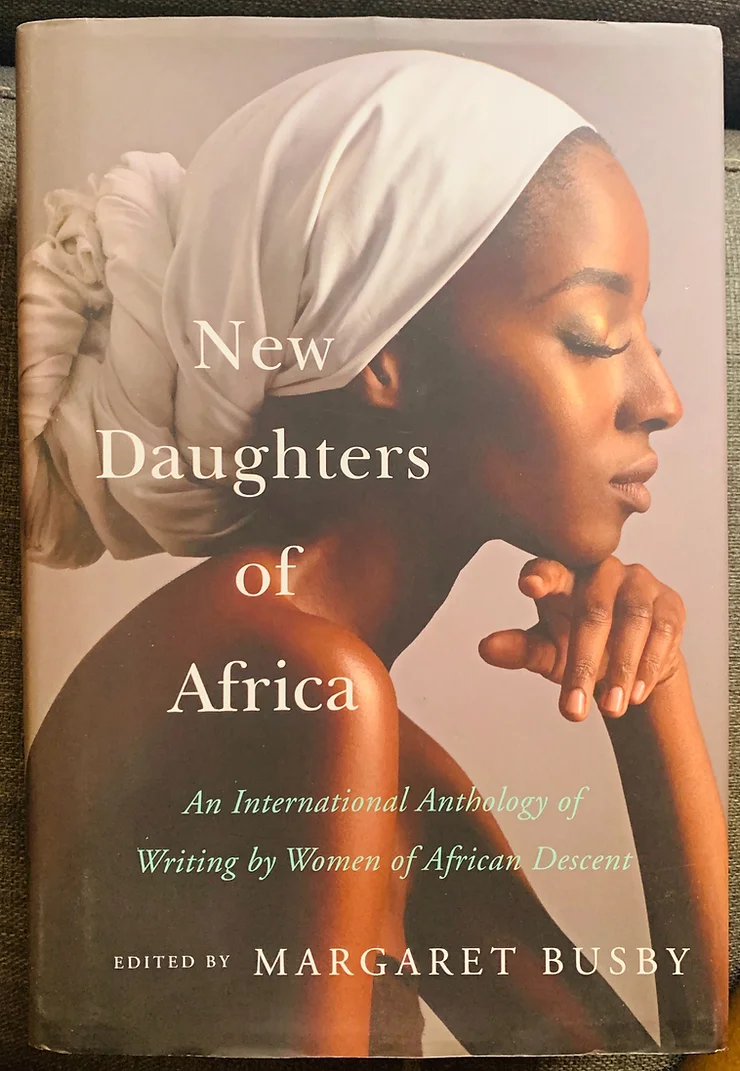
As for June, I’m currently reading New Daughters of Africa and hope to do a book review when I eventually finish by July maybe. It’s a 1,000 pages long lol.